

Many of us are now adapting to our new ways of working during this period of uncertainty. For many, the transition to remote working has now taken place and has become the new normal. It’s true to say that the transition itself was a challenging and unsettling time resulting in feelings of anxiety and stress. Taking care of our health and wellbeing has without doubt become a priority for individuals and employers alike. We are fortunate that so much advice is available from a variety of sources which helps us strategise and manage our new ‘world of work’. What we have learned is that there is no ‘one size fits all’ either for individuals or for businesses. However, it is becoming clear that there are common themes:
Isolation and Loneliness
We already know that a common consequence of remote working are feelings of isolation and loneliness, which in turn has a negative impact on mental health. Employers are now having to find ways of managing remote teams – ensuring that outputs are achieved but also ensuring that the welfare of individuals is not ignored.
Communication and engagement
The way we communicate and engage with our remote workers is crucial. This isn’t just about work priorities and tasks (although it is important that we ensure some sort of structure to the working day). Communication is also about how we keep people feeling part of the team and the overall organisation. This means thinking of new ways to maintain the team approach without the luxury of face-to-face contact.
Sharing news from colleagues
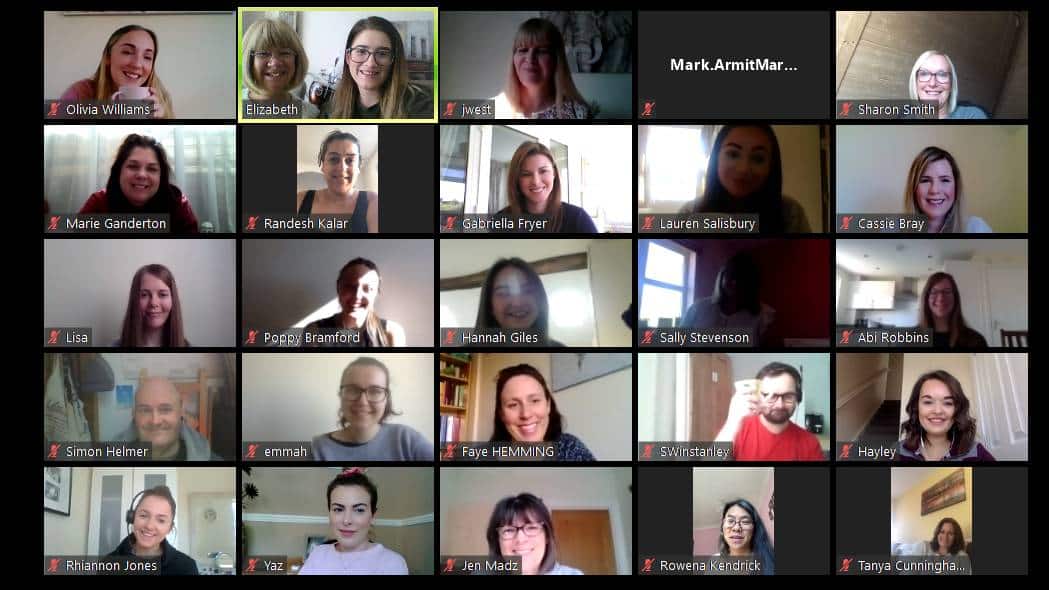
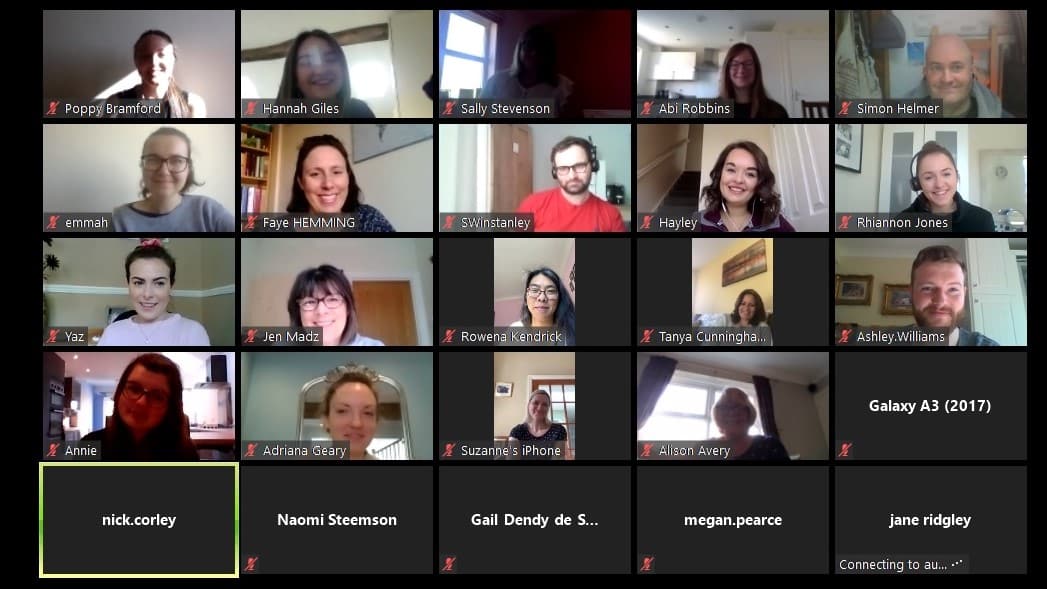
Remote working doesn’t have to mean that all the team interaction disappears but sometimes it needs someone to take the lead. This could include setting up regular team calls – creating a balance between work discussions but also including a team social element, maybe a daily challenge or competition – have a leader board! Recently, at the Chamber we held a virtual staff brief – it was the first time in a few weeks that colleagues had seen each other and, in spite of very different conditions to what we are used to, was a much more personal approach than just emailing an organisational update.
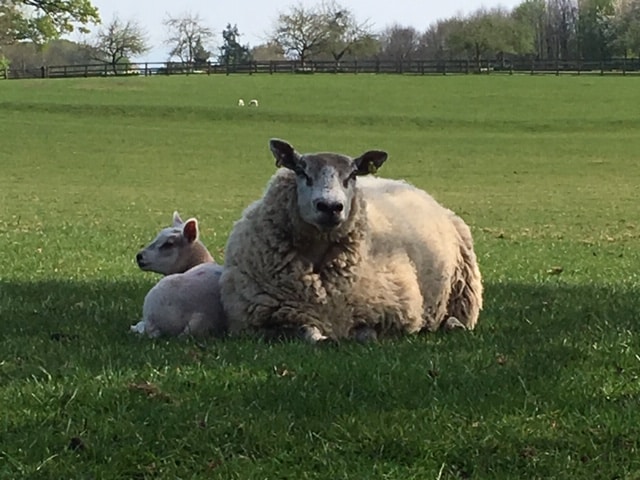
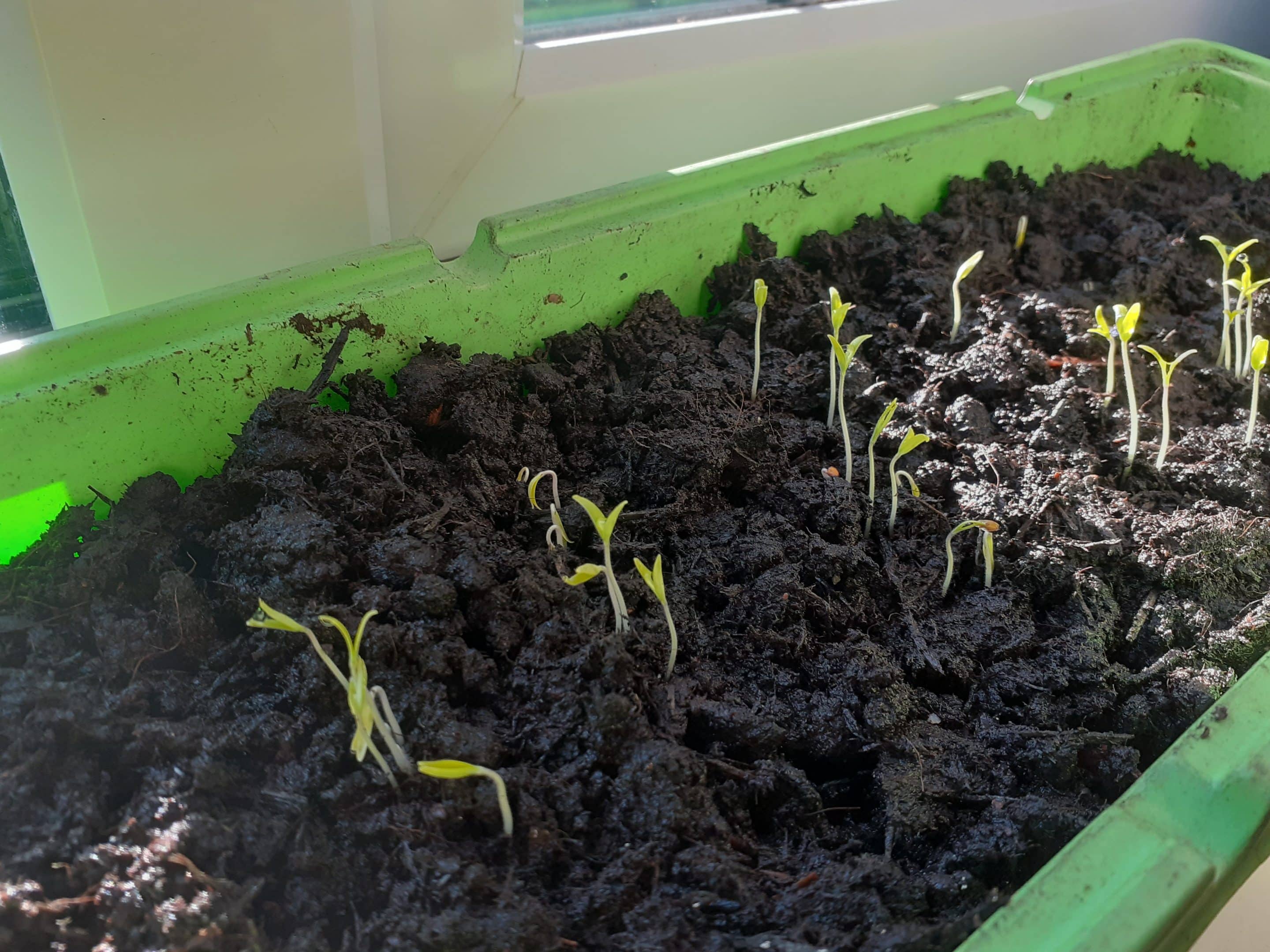
Many of us will be missing the chat over making a cup of coffee in the kitchen and taking time out to catch up with people and their news. So, ask your team members to share with you what they have been doing outside of work whether that is learning a new skill, trying out a new recipe or sending in a photograph of something they have seen whilst taking a walk. Sharing this information can promote a feeling of togetherness and unity – there is no need for anyone to feel forgotten! We now receive a regular supply of photographs which promote feelings of wellbeing. These are shared every week via a newsletter which also includes contributions, news and inspirational messages from colleagues across the organisation. Small initiatives such as this can really make a difference!
Mental health champions
Whilst we can do much to help alleviate the feelings of isolation, there will be some who will these feelings more difficult to cope with than others. It’s important for an organisation to be able to recognise when individuals need more help and think about how this might be provided. You may already have mental health champions in place, but also remember to think about how they may be reached during the period of remote working and how they in turn can be supported by the organisation.
Mental health and furloughed staff
With the government’s recent extension to its Job Retention Scheme, it is more important than ever to give consideration to the impact this may have on wellbeing due to spending more time in isolation at home and the social distancing measures which are currently in place. Mental Health UK has offered advice for employers who have furloughed staff.
World Mental Health Awareness Day
Finally, it’s World Mental Health Week from 18-24 May 2020 and this year’s theme is “Sleep”
Findings from the IES’ Working at Home Wellbeing Survey Interim Findings Report, published on 7 April 2020 and launched in response to COVID-19, has found that:
- 64% of respondents have lost sleep from worry
- 40% are not waking up feeling fresh and rested
- 60% are experiencing fatigue in addition to a range of musculoskeletal complaints, physical and emotional health concerns that might impact sleep and mental health
This would suggest this year’s theme is of particular importance in the current situation. Time to Change have issued ideas and advice for a number of activities which can be undertaken individually or as part of a group and on social media platforms such as: Watsapp, Microsoft Teams, Yammer, Slack and Zoom for those working remotely.
There are so many ways we are having to adapt how we are working at the moment. Ultimately, many will develop new skills, approaches and changed attitudes about what is possible in the world of work. However, whilst we are still learning and continue to adapt, it’s important not to forget that at the heart of every organisation are our people. Some will cope better than others but everyone will need an amount of support and guidance at this time. Supporting mental health and wellbeing should now, more than ever, be a priority.
Here at the Chamber, our staff have been getting involved in our daily wellbeing activities. Here are just some of the highlights:




For details as to how the Chamber is able to support business now and in the future, please contact your Account Executive who will be happy to go through the details of health and wellbeing support available as part of Membership. Not a Member? Get in touch today by emailing [email protected] or calling 01905 673600.