

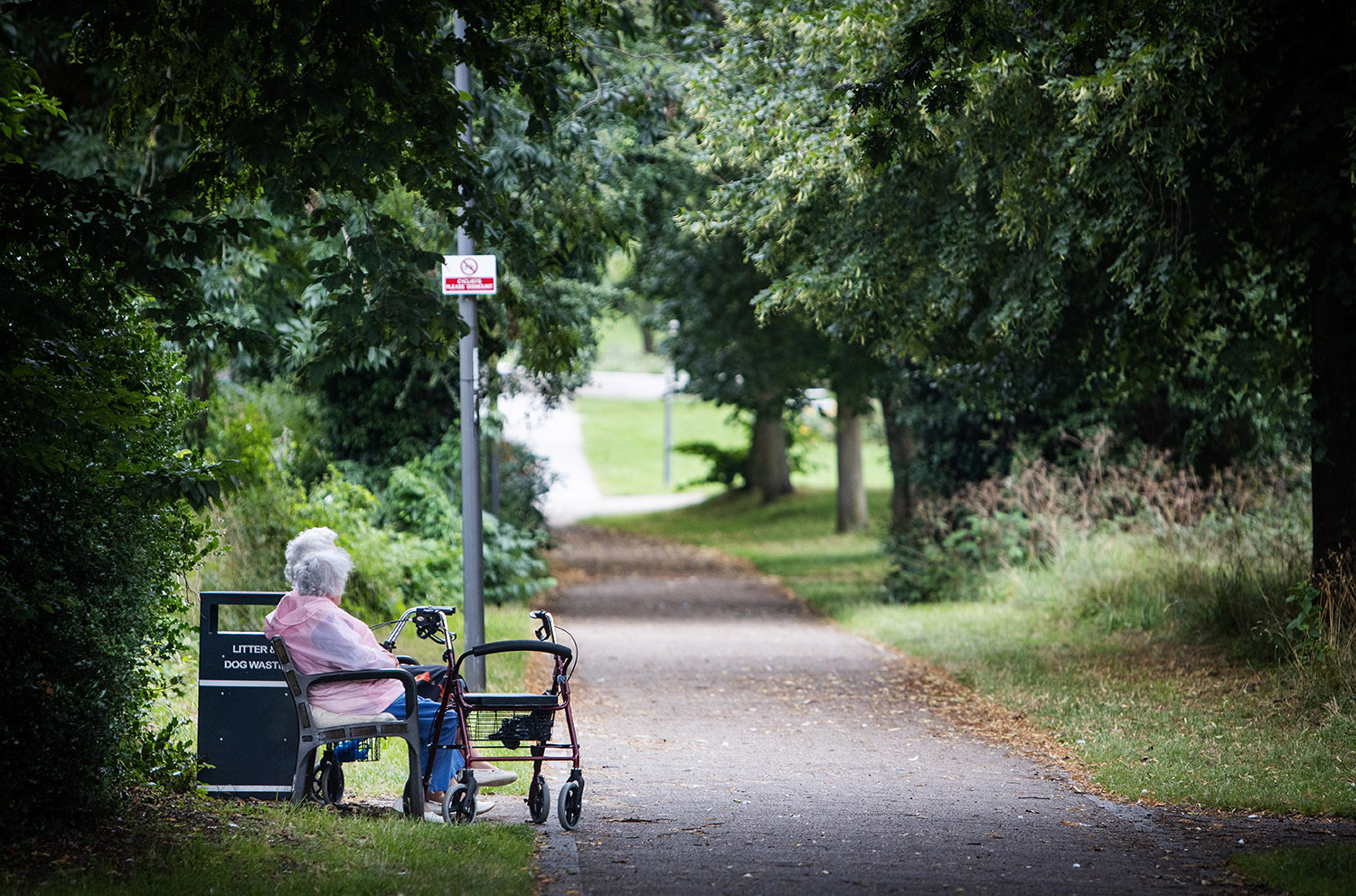
A new study will help break down barriers to outdoor spaces for millions of people affected by dementia.
The research, led by the University of Worcester’s Association for Dementia Studies (ADS) in collaboration with Natural England and a range of leading health and green space organisations, is being funded by £153,000 from The National Lottery Heritage Fund.
Extensive research by the ADS shows there are significant barriers for people affected by dementia to accessing outdoor space; individuals often struggle with confidence, navigation, and uncertainty about available facilities.
Access to nature has long been recognised as an important contributor to people’s overall health and wellbeing, making these barriers especially impactful for those living with dementia.
Many spaces lack dementia-friendly design features such as clear signage, accessible paths, and appropriate seating areas, and staff and volunteers may not have had the opportunity to learn how to best understand or respond to the needs of people who live with dementia.
This new study will create free, practical resources and tools that help outdoor spaces become dementia-friendly and inclusive, including an environmental self-assessment tool, an app, training videos and case studies.
It will also aim to encourage organisations to collaborate and share good practice, while increasing visitor numbers through improved inclusivity.
Sarah Waller CBE, from the Association for Dementia Studies, will be leading on the study. She said: “There are nearly a million people living with dementia in the UK, yet many face personal and practical barriers to accessing outdoor spaces that could transform their wellbeing.”
Sarah has expertise in developing enabling environments for people living with dementia, and has worked extensively on the development of environmental assessment tools.
She said: “This project will see the creation of free, easy-to-use resources so parks and nature reserves can assess their spaces, make improvements, and welcome people with confidence.”
Further down the line, the study will pave the way for funding opportunities, enabling park operators to apply for grants to improve features such as signage, pathways, and seating as they act as case studies for dementia-friendly outdoor spaces.
Shirley Evans, Director of the Association for Dementia Studies, said: “Access to nature is something most of us take for granted, but for people impacted by dementia, it can feel out of reach.”
“This study has the potential to completely reimagine how we design and manage outdoor spaces,” she added. “By making sure they’re welcoming, safe, and inclusive, breaking down barriers, and creating practical tools, we can transform parks and nature reserves into havens that support wellbeing and connection for everyone.”
Shirley said: “We would like to thank the National Lottery Heritage Fund and National Lottery players for their support with this exciting project.”
David Fanaroff, Senior Advisor at Natural England, said: “The study will include small grants for participating open spaces. This will allow site managers to make changes in response to feedback from users.”
David added: “We can then measure the impacts and make sure the tools and guidance really work for people with dementia, their carers, and organisations that support people with dementia.”
Visit the website to learn more about the Association for Dementia Studies.