


Many things have changed in the process of organising stock in the past few years. Very few business can afford to run a paper based system and still remain efficient. If have anything more than a few products and 100 orders a day, then you need to invest in some sort of digital inventory system (https://www.hardis-supplychain.com/en/blog/warehouse-management-why-and-when-implement-a-wms/). From checking stock levels, to knowing what to order from a supplier, an instant live record of stock movements has revolutionised the level of visibility of stock for managers and staff alike. Even using excel isn’t going to cut it as formulas can break, information written over and reports cannot be generated for what happened to that product. Eventually a database is required to create a library of product history that can be analysed and understood (https://it-ebs.co.uk/news/what-is-a-wms/). A recent client of ours recently installed our system, having used spreadsheets for years’ and they could immediately see sales figures, trends and compare different channels such as website to distributor. Now they could make more informed management decisions about what to stock to order and plan for seasonal variations all of which helped the bottom line.
Introduction to using mobile devices for your website
Even with these improvements the old style databases could still be quite limiting. If you wanted to do a stocktake (https://it-ebs.co.uk/news/stocktake-how-to-guide/) on the 3rd row, of raised platform B, then you would probably have to write it on paper and carry it back to the office to input it on a desktop machine. With the introduction of barcode scanner, rugged devices and mobile phones this allowed staff to be more agile and capture information in real time that instantly updates the main system. This helps particularly when it comes to pick/pack/ship of an order as you want to know that what you pick is what the customer actually wants.
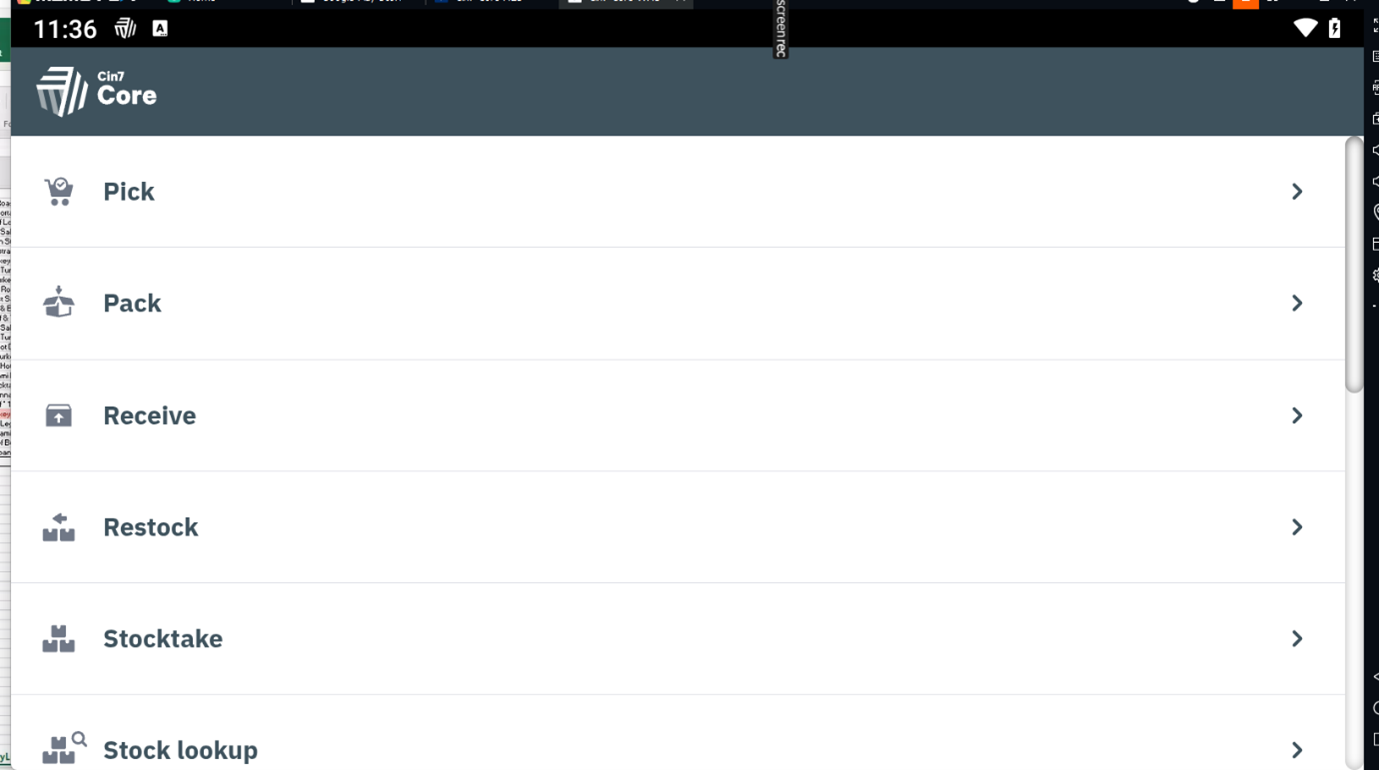
Example from Cin7 Core
Combining barcodes on the product label allowed for increased control it has to be on the order as the mobile app will not let you book in any other product. A mobile phones camera can convert into a barcode scanner so that information can be confirmed at the point of the unit being selected. The item would then be seen as “picked” ( https://it-ebs.co.uk/news/wmswarehouse-management-system-and-picking-list/) which effectively allocates it that order so that it wont be double taken by someone else, its confirmed at the “pack” stage and then assigned out for delivery. If you have your own fleet of drivers then the app can be used to schedule deliveries, track transport delays with geo mapping software and confirm deliveries by photo or QR signature. This allows for full traceability of the delivery process for that order which helps keep things moving efficiently, keeping customers satisfied and ensuring their future loyalty.
Mobile applications to pick stock from the shelves
One of our potential client described a problem that was not just related to their industry. They had consistent complaints from customers that they were receiving the wrong products on their orders. When I spoke further with them they provided labels and signage to businesses and all of the packaging looked the same, therefore, in a hurry staff often grabbed the wrong item so they can get it out the door. We discussed the possibility of using barcodes on each of the cartons, which would force each product to be unique, and readable by a mobile barcode scanner. The device will then highlight a warning if the operator choose the wrong item or indicate success with a ping if they chose the right one.
To get the quantities you scan the first product a number of times so it equated to the amount that is on the order. If they don’t count enough it would warn that the remaining amount is still to go. When you reach the required quantities it will stop you adding any more. The amount picked will be just right.
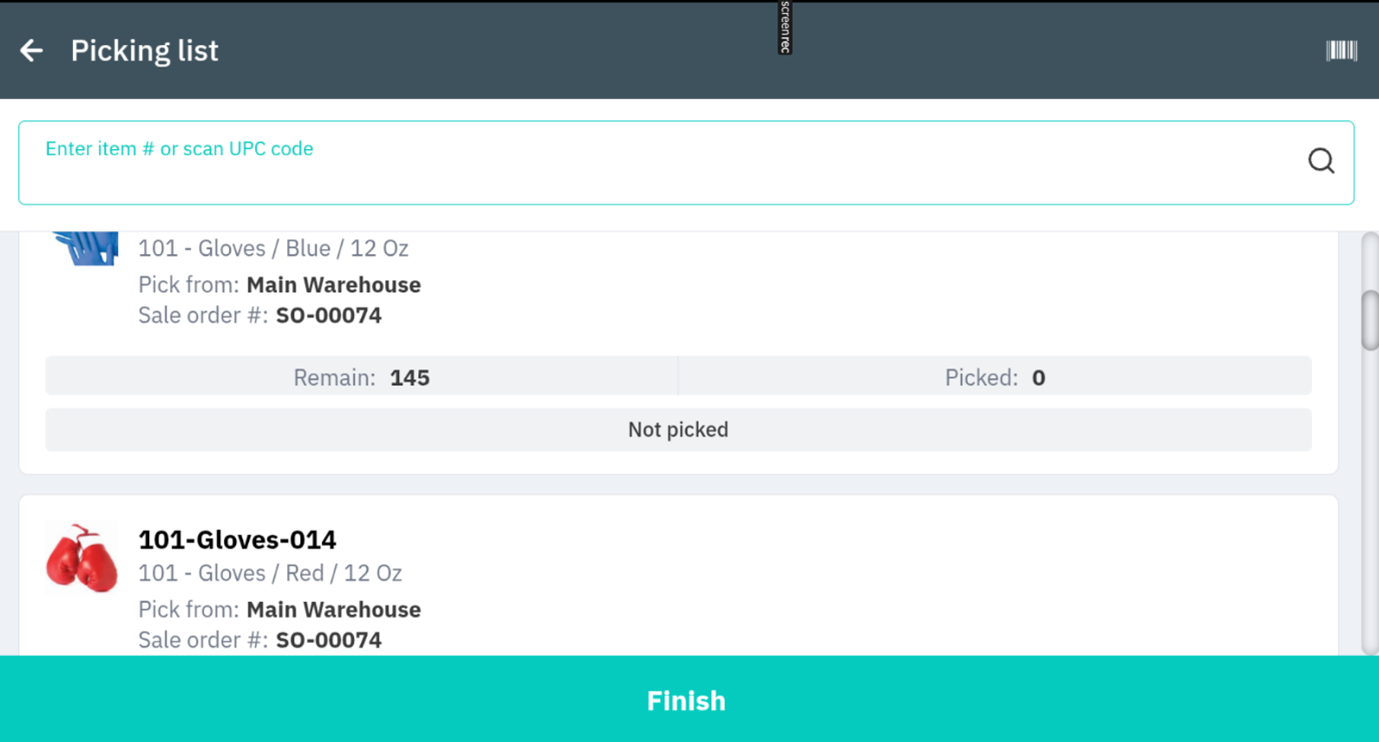
For efficiency a picker can collect multiple order at the same time. If they are in one area of the warehouse or pick zones, they can collect items whilst they are there, rather than go up and back different aisle to fulfil just one order.
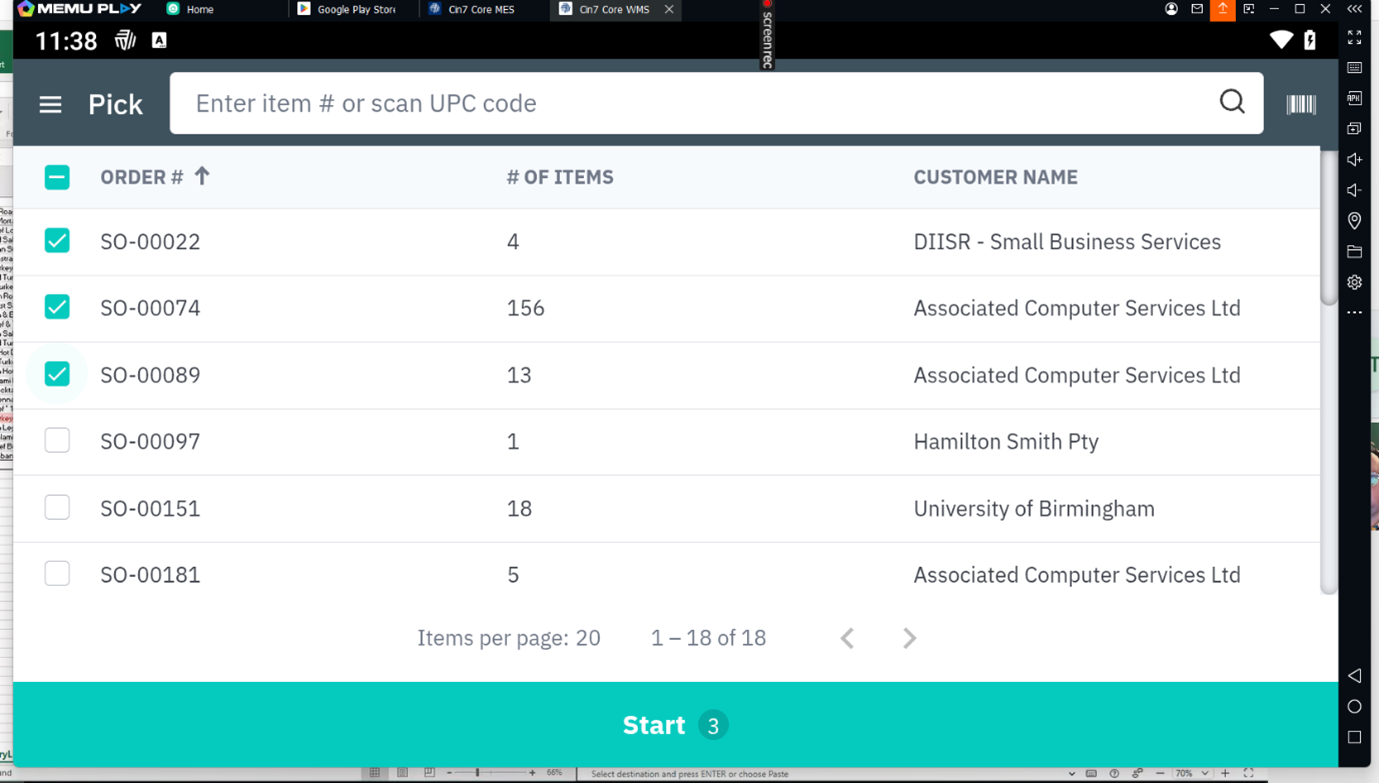
Example from Cin7 Core
For those who don’t have mobile scanners then you can run the same software on a regular mobile phone as it will use the phones camera for scanning the barcode image. Other warehouses that I worked in use rugged mobiles that can protect the device from the rough and tumble of concrete floors but have the advantages of remote communications.
Packing stock using a mobile phone
Once the stock has been removed from bays and placed in the packing area things can still go wrong. For larger operations they may have separate people packing so they need to isolate which stock is to fulfilled to each order. Even with the same picker, it is easy to confuse orders so the wrong items may go into the wrong box. The picking process isolates the quantities that are required, but it could still be confused with what item goes where. The same process of scanning each item can then be used to isolate each item so it goes into the correct box for that distinct customer which prevents mismatched orders. Another benefit is that a manifest can be produced for what items are in each box which assists the people at the receivals end to validate that the items they are unpacking are correct and which box they came from. This is essential for products such as medical equipment or food where each container is temperature controlled. It may be a case you have quantities that can’t fit in just one box because of their shape or volume, so they are spread over a number of boxes. The scanning of each item automatically applies to that box and therefore which number of box. A box label or packing sheet can be applied to each package with a list of what is inside so that they can confirm receipt of all the items that are ordered
Mobile scheduling for manufacturers
For those involved in manufacturing or assembly operations then this allows for instant instruction for people on the shop floor. If designated in different areas then once one team has finished one process (say baking), then that manufacturing process becomes available for the next team (cooling, packing). Components would still be picked but then the process would be set out, resources and machinery allocated and timed against expectations ( https://it-ebs.co.uk/cin7core-manufacturing/). This helps track consumption, productivity and scheduling on the shop floor and make sure products are ready by the required date. Work in progress can be measured and issues that could cause delays isolated an dealt with quickly (repair machines or engage more staff at crucial times).
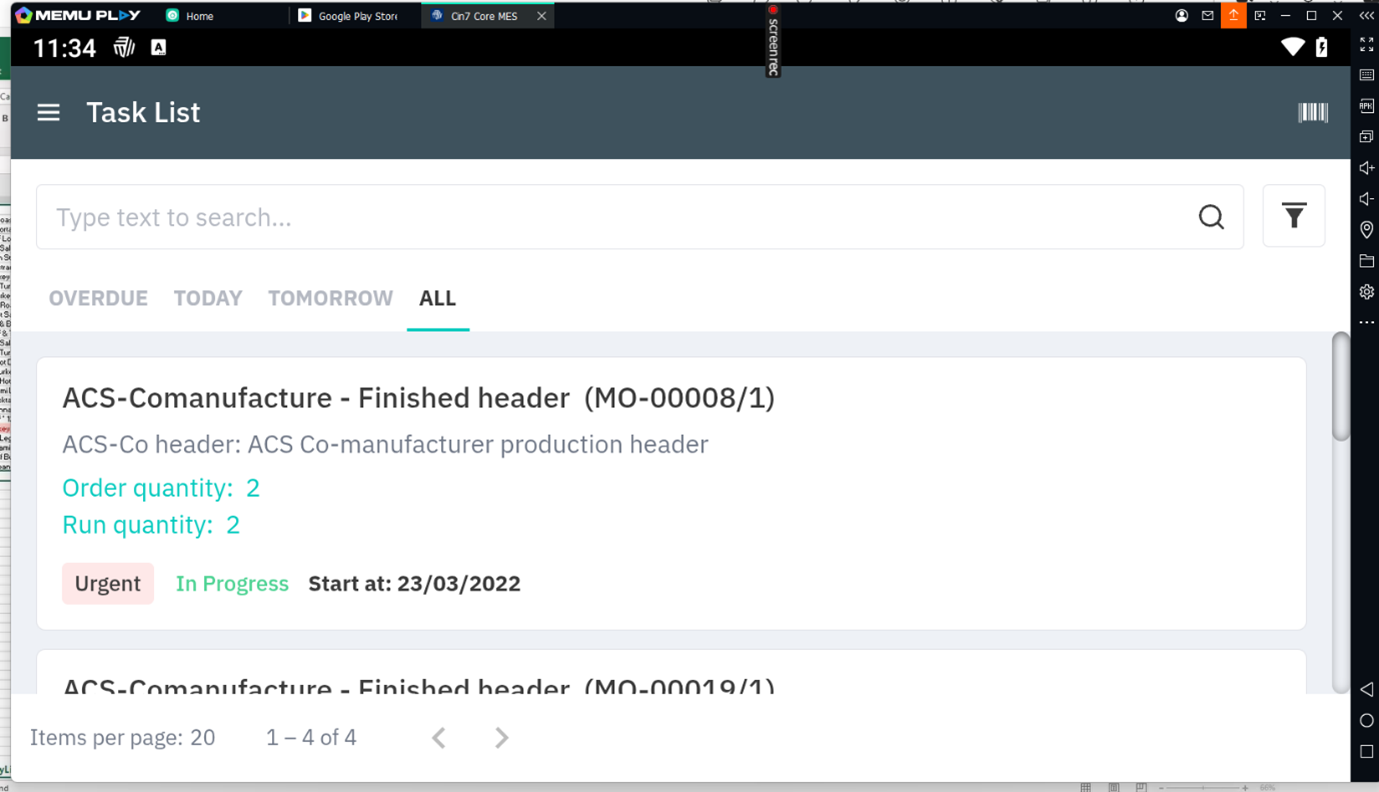
Task to be completed. Example from Cin7 Core
This has a dual process as it calculates true cost against every production run. It would not only take the costs of the components, but also productive labour and wear and tear on machinery. When managers calculate the margins they generally don’t allow for the running cost of machinery but the monies generated from sales have to cover all the costs of the organisation including the repairs and replacement of this capital expenditure. Some of the kit my clients have got maybe up to £100,000 a piece, and it will last for a period of 10 years. If you allow a percentage for each batch of production and accrue for those running costs then it’s not as big a cashflow hit comes the day when an upgrade is required. Reports can then be run to check the productivity of staff, any increase in component price yield. This gives granular management accounts reporting of changes in your processes that may impact directly on a company’s financial performance.
Conclusion.
Having a software system that allows for mobile input assists with efficiencies but more importantly gives staff the information they need at their fingertips that assists them to function as a team. For those who wish to see a demonstration (https://it-ebs.co.uk/cin7core/) of what is possible then please contact us at: [email protected] or visit: //it-ebs.co.uk/