
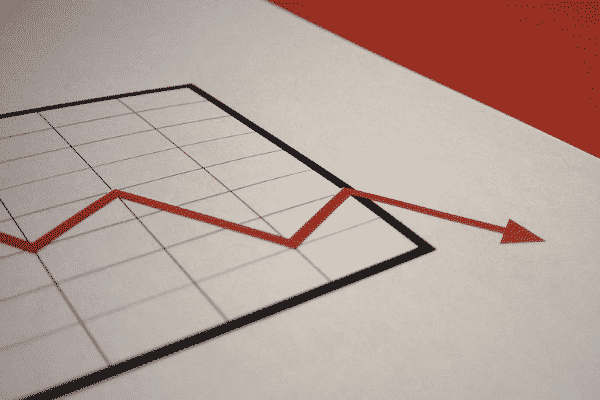
On 12 August the Office for National Statistics (ONS) released its official monthly estimate of GDP, showing the biggest quarterly fall on record. In April to June economic output had fallen by 20.4%, compared to the previous quarter. This followed a fall of 2.2% in January to March.
The UK may, however, now be past the worst. Looking at monthly figures, the contraction of the economy ended in April, and in May and June there was growth of 2.4% and 8.7%.
Highest borrowing on record
Total government borrowing from April to July 2020 was estimated at £150.5 billion, higher than any April-July period on record. Total government debt at the end of July was 100.5% of GDP, the first time it has been above 100% since 1960/61. In cash terms, debt has now exceeded £2 trillion for the first time ever.
Millions still furloughed
According to the latest ONS Business Impact of Coronavirus survey, 12% of employees were furloughed between 27 July and 9 August, suggesting that millions of employees are currently still having part of their wages paid through the scheme. From August onwards the level of the grant will be reduced each month, and the scheme is due to end on 31 October 2020. It remains to be seen how many furloughed employees will return to a job.
As a result, a rise in unemployment is expected to happen by the end of the year. The latest Treasury survey of independent forecasts suggests an average unemployment rate of 8.3% for October to December 2020. The unemployment rate was 3.9% from April to June.
Sectors showing recovery
Overall, retail continued to recover in July. Sales increased by 3.6% compared to June, and were higher than their pre-coronavirus levels in February, as well as being higher than in July 2019. The manufacturing and services sectors continued to show recovery. The Purchasing Managers Indexes for both sectors show growth with increased consumer spending and a boost to hotels and restaurants from the Eat Out to Help Out Scheme. However, the commentary published with the Indexes raised concerns about the sustainability of recovery, as businesses are cutting costs and employment is falling. The ONS suggests that the opening of restaurants is a potential reason why food store sales contracted in July 2020, compared to the previous month. Monthly sales in food stores fell by 3.1% in July, although they remained at a higher level than before the pandemic.