

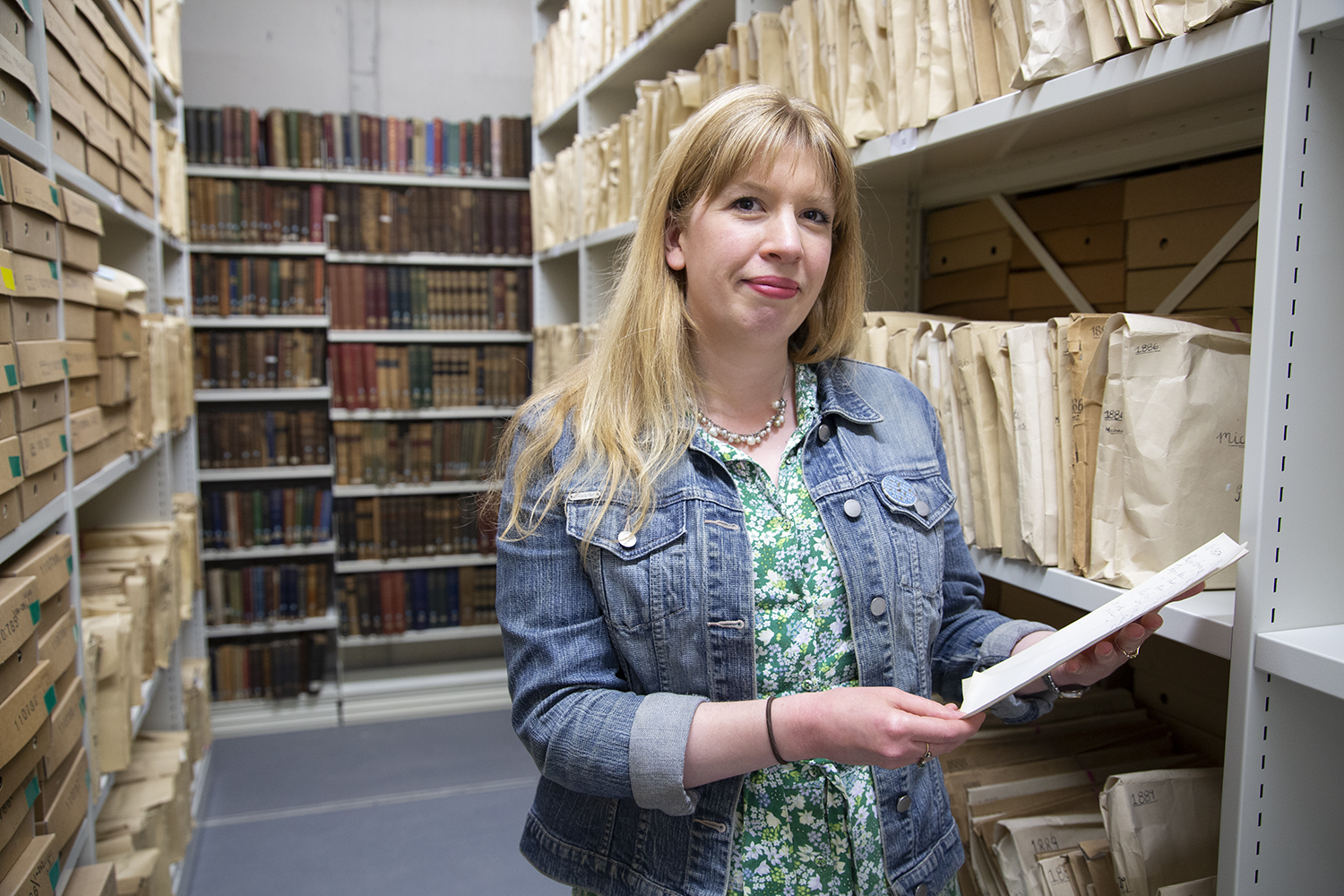
From disapproval of unmarried mothers in the 1970s to experiences during the Covid-19 pandemic, people have been sharing their stories on giving birth in Worcestershire for a special project.
Now historians at the University of Worcester will be detailing some of the stories that mothers have told them so far spanning the last 70 years. And there is still time for others to share their story.
For the past 18 months researchers from the ‘Birthing Stories’ project have been collecting people’s memories to create an oral history record, in collaboration with the George Marshall Medical Museum. They are hosting a drop-in event at The Hive on October 15, 6.30pm to 8pm, on what they have found out so far and to be on hand for anyone interested in getting involved.
Lecturer in History, Dr Anna Muggeridge, who is leading the research, said the public response so far had exceeded expectations, with 70 accounts covering every decade from as far back as the early 1960s right up to the 2020s, covering a wide variety of scenarios and experiences. However, Dr Muggeridge is still hoping they might be able to get testimony of someone who gave birth in the 1950s.
The event will feature two short talks, one by Senior Lecturer in English Literature, Dr Sharon Young, on 17th century midwifery manuals and conception of twins (6.45pm-7pm), and by Dr Muggeridge on what researchers have learnt so far from the oral history collection (7.30pm-7.45pm). Maternity-related objects from the Medical Museum’s handling collection will be on display available as well as a few activities.
Dr Muggeridge said it was interesting to trace mothers’ experiences across the decades. “We’ve now had people come forward from the more recent past, which has been great, including quite a lot of stories from Covid and the post-Covid era really bringing the history up to date. You can see some of the wider general trends in history taking place across the country and changes in the wider social and cultural history of birth.”
One participant, who had a baby in the 1970s, remembers feeling disapproval from medical staff while giving birth as an ‘unmarried mother’, while in the same decade another in her early 20s was described as an older mother, she said.
The impact of Covid also looms large in recent accounts, Dr Muggeridge said, and she is keen to hear more. “These stories really talk about how difficult the experience of being pregnant in Covid was, even if you had a pregnancy that wasn’t high risk and everything was proceeding as you would expect,” she said. “People remember the real stress and strain that that put them under.”
She added: “It’s really important that we capture those stories so that if we do end up in another pandemic situation, we can learn from this experience and not expect women to have to go through that again.”
While stories reflect national trends, she said there were also some stories marking points in Worcester’s history, such as patients of Shrub Hill Maternity Hospital, which closed in the late 20th century.
The oral history project will be housed at the George Marshall Medical Museum. It is part of a wider ‘Voices of Motherhood’ study launched by Dr Muggeridge last year which looks at the ways in which women have been politicised by their experiences of fertility, pregnancy, birth and caring for children through early childhood from the start of the First World War in 1914 through to the present day. She was awarded more than £500,000 in funding from UK Research and Innovation (UKRI) as part of its Future Leaders Fellowship programme to undertake this research.