
Burn First Aid Myths: Why Butter, Toothpaste and Bad Advice Can Make Burns Worse
Burn Treatment First Aid: What To Do When Someone Suffers a Burn at Work
Imagine this.
Someone in your workplace burns themselves.
It could be a kettle.
A hot drink.
A piece of machinery.
A cooking surface.
Or simply too much time under the summer sun.
Before the casualty has even finished saying “ouch”, the advice starts flying around.
“Put butter on it.”
“My nan always used toothpaste.”
“Ice will sort it.”
And suddenly, a simple injury has become a first aid guessing game.
The problem?
Some of the most common burn treatments are also some of the worst.
And using the wrong treatment can make the injury significantly worse.
The Dangerous Burn First Aid Myths That Refuse to Die
Burn myths have been hanging around for decades.
They’re passed down through families, workplaces and well-meaning colleagues who are absolutely convinced they’re right.
Butter.
Toothpaste.
Oils.
Creams.
Ice cubes.
One person even suggested gravy during a training session.
We’re still hoping they were joking.
The reality is that none of these belong anywhere near a fresh burn.
Many of them trap heat inside the skin, increase tissue damage and raise the risk of infection.
Good intentions don’t always equal good first aid.
What Is the Correct First Aid Treatment for a Burn?
The correct treatment is surprisingly simple.
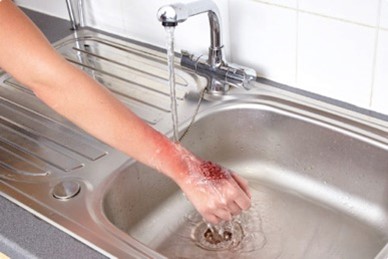
Cool the burn immediately using cool running water for at least 20 minutes.
Not 20 seconds.
Not a quick splash.
Not until you get bored.
Twenty full minutes.
Why so long?
Because although the surface of the skin may feel cool quite quickly, deeper tissues can continue to retain heat and suffer damage.
Cooling the burn properly helps stop the burning process and can reduce the severity of the injury.
Sometimes the best first aid isn’t complicated.
It’s just consistent.
Why Ice Can Make a Burn Worse
Many people instinctively reach for ice.
After all, burns are hot.
Ice is cold.
Seems logical.
Unfortunately, burns don’t care about logic.
Applying ice directly to a burn can damage already injured tissue and reduce blood flow to the area.
The result?
Potentially more damage rather than less.
This is why first aid guidance recommends cool running water instead.
It’s effective, safe and proven to work.
Why Butter, Oils and Toothpaste Should Never Be Used on Burns
Let’s clear up a few popular myths.
Butter doesn’t heal burns.
Toothpaste isn’t medicine.
Cooking oil belongs in the kitchen.
Not on injuries.
These substances create a barrier that can trap heat within the skin.
That trapped heat can continue damaging tissue long after the original incident.
They may also increase the risk of contamination and infection.
In short:
If it’s normally used on toast, chips or your teeth, keep it away from burns.
Not All Burns Are Minor: Knowing When Medical Help Is Needed
Many burns are small and manageable.
Some are not.
Part of good first aid is recognising when professional medical assessment is required.
Several factors help determine the seriousness of a burn:
Size of the Burn
Larger burns carry a greater risk of complications and fluid loss.
Location of the Burn
Burns affecting the:
• Face
• Hands
• Feet
• Genitals
• Major joints
can have significant long-term consequences and often require specialist assessment.
Depth of the Burn
Some burns only affect the outer layer of skin.
Others penetrate much deeper.
The deeper the burn, the greater the risk of long-term damage and scarring.
Age of the Casualty
Children, older adults and vulnerable individuals may be at increased risk from even relatively small burns.
This is why assessment matters.
Because what appears minor at first glance isn’t always minor beneath the surface.
The Long-Term Impact of Incorrect Burn Treatment
Most people think of burns as temporary injuries.
But serious burns can lead to:
• Permanent scarring
• Reduced mobility
• Ongoing pain
• Infection
• Psychological effects
• Long-term medical treatment
The actions taken in the first few minutes can have a lasting impact on recovery.
That’s why correct first aid matters so much.
Why Burn First Aid Training Creates Confidence
When someone gets burned, there isn’t time for a committee meeting.
There isn’t time to compare internet searches.
There isn’t time to ask five different people for five different opinions.
Someone needs to know what to do immediately.
Training provides that confidence.
When staff understand:
• How to cool a burn correctly
• What treatments to avoid
• When medical help is needed
• How to assess burn severity
They stop guessing.
And start helping.
That’s the difference between panic and effective first aid.
A Quick Question for Your Workplace
If someone suffered a burn at work today, would your team know exactly what to do?
Or would somebody still be searching for butter?
It’s a funny thought.
Until it’s real.
Because burns happen every day across workplaces, schools, hospitality venues, factories and care settings.
And when they do, getting it right from the start matters.
Workplace First Aid Training That Replaces Guesswork With Confidence
At Passion First Aid, we teach practical first aid skills that people can actually remember and use.
No jargon.
No confusion.
No outdated myths.
Just simple, effective techniques delivered through engaging, hands-on training.
Because first aid shouldn’t rely on luck, guesswork or something your uncle swears worked in 1987.
It should rely on knowledge and confidence.
Book First Aid Training for Your Team Today
If you want a team that responds confidently instead of relying on outdated advice, now is the time to train.
Don’t wait until someone gets injured to find out whether your staff know what to do.
Visit www.passionfirstaid.co.uk today to find out more.